
The coincidence is striking: a baby starts to drool, chews on everything they can find, and suddenly their stools become soft or liquid. The link between teething and diarrhea seems obvious to many parents. However, the available medical data tells a different, more nuanced story, where diarrhea in babies during teething is not a recognized symptom of the eruption of baby teeth.
Teething and Diarrhea: A Calendar Coincidence Rather Than a Cause-and-Effect Link
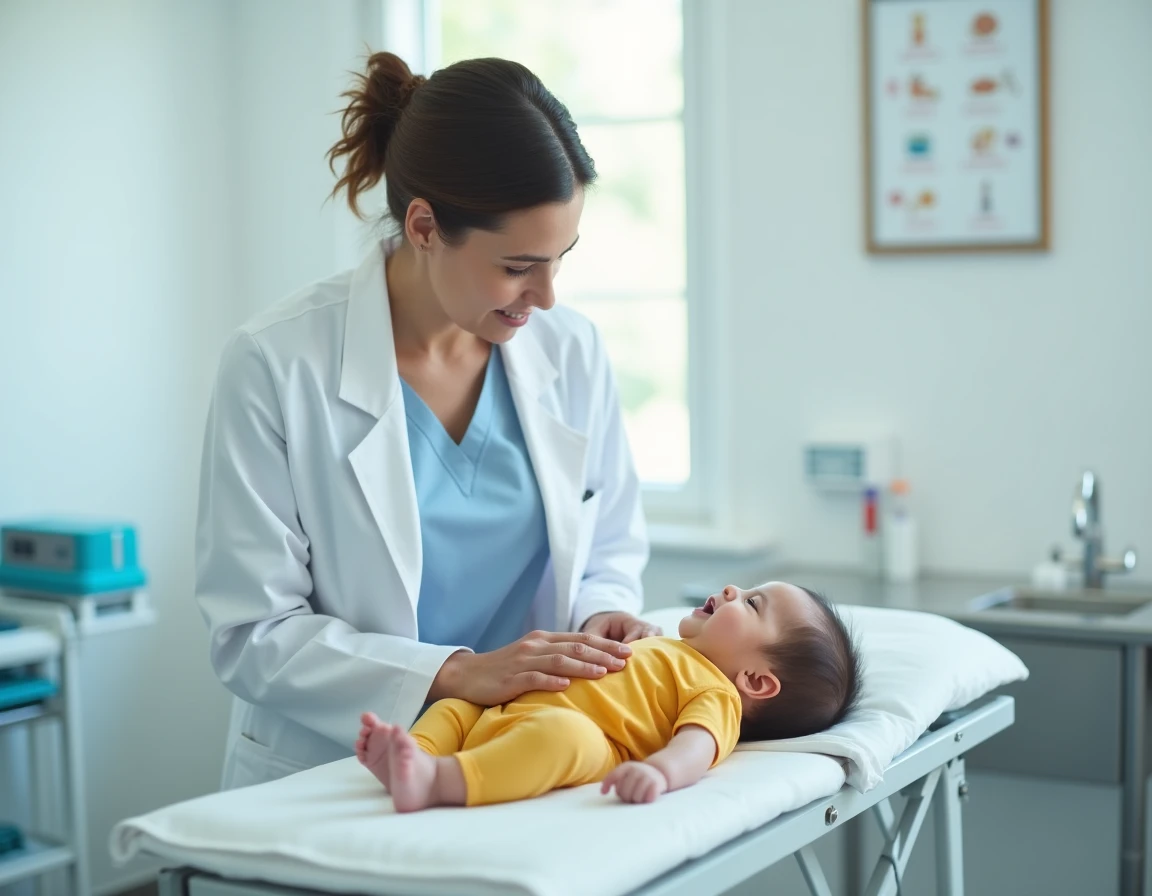
The first teeth usually emerge around six months, with significant variability from one child to another. This period also coincides with a pivotal moment in development: the introduction of new foods, a gradual decrease in maternal antibodies, and intense oral exploration of the environment.
A teething baby puts everything they can reach (toys, objects from the floor, hands) in their mouth. This behavior increases contact with bacteria that could cause digestive issues. Therefore, diarrhea in babies during teething is less explained by the tooth itself than by what the child puts in their mouth to soothe gum discomfort.
Recent health sources are clear on this point: diarrhea is not a typical symptom of teething. The recognized local signs are limited to excessive drooling, irritability, swollen gums, and the need to chew. Slightly softer stools may occur, but frankly liquid or repeated stools point to another cause.
Infant Diarrhea: Signals That Do Not Relate to Teeth

The difficulty for parents lies in the temporal overlap. An episode of gastroenteritis or a food reaction can occur right during a teething phase. Health authorities clearly distinguish symptoms compatible with teething from warning signals that require medical advice.
Warning Signs to Look Out for in Babies
- Very liquid, frequent stools (more than five per day) or stools containing blood suggest a digestive infection, not just simple teething.
- A high fever, beyond the slight subfebrile state sometimes associated with teeth, should raise suspicion of gastroenteritis or a concurrent ear infection.
- Vomiting associated with diarrhea increases the risk of rapid dehydration in infants, necessitating immediate consultation.
- A prolonged refusal to drink, a sunken fontanelle, or a lack of tears are signs of dehydration that should be taken seriously immediately.
Systematically attributing diarrhea to teeth carries a real risk: delaying the management of a condition that requires specific treatment, particularly oral rehydration.
Sore Gums and Soft Stools: What the Pediatrician Assesses
When a parent consults for digestive issues during teething, the pediatrician first seeks to rule out an infectious or food-related cause. The examination focuses on the child’s hydration status, the consistency and frequency of stools, and the presence or absence of fever.
Slightly softened stools for one or two days, without fever or dehydration, generally do not warrant further exploration. In contrast, diarrhea lasting more than three days or accompanied by other systemic symptoms falls outside the scope of teething.
The available data do not allow for a conclusion about a direct biological mechanism between the eruption of a tooth and changes in intestinal transit. Some hypotheses suggest an excess of swallowed saliva or moderate stress, but none have been formally validated.
Relieving Baby During Teething Without Masking Infectious Diarrhea
Management has evolved towards non-pharmacological measures as a first-line approach for gum comfort. For digestive issues, the logic is different, and the two aspects should not be confused.
Gum Comfort: Actions That Reduce Digestive Risk
Offering a refrigerated teething ring (not frozen) or gently massaging the gums with a clean finger soothes pain and limits the child’s need to chew on potentially contaminated objects. Keeping everything that comes near the baby’s mouth clean remains the most effective measure to reduce the risk of bacterial diarrhea during this period.
Managing Soft Stools
If the stools are simply softened, maintaining proper hydration is sufficient in most cases. Breast milk or the usual infant formula remains the base. For babies who have started solid foods, foods like cooked carrots, rice, or bananas can help firm up the transit.
Any watery or persistent diarrhea justifies the use of an oral rehydration solution (ORS), available at pharmacies, and a pediatrician’s advice. Self-medication with anti-diarrheal medications is not recommended for infants without medical advice.
Consulting the Pediatrician: Thresholds to Keep in Mind
The boundary between mild discomfort related to teeth and a pathological episode is not always clear. It is better to consult once too often than to allow dehydration to progress.
- An infant under three months with diarrhea should be seen by a doctor without delay, regardless of any teething.
- Diarrhea accompanied by a fever higher than the usual mild febrile state associated with teeth requires a clinical examination.
- A child who refuses to drink or appears abnormally drowsy shows signs of dehydration that require rapid management.
Teething remains a normal physiological process. The digestive issues that sometimes accompany it deserve to be evaluated for what they are: a symptom in their own right, not an inevitable side effect of the eruption of baby teeth. Making the distinction protects the child’s health and avoids trivializing signs that call for an appropriate medical response.