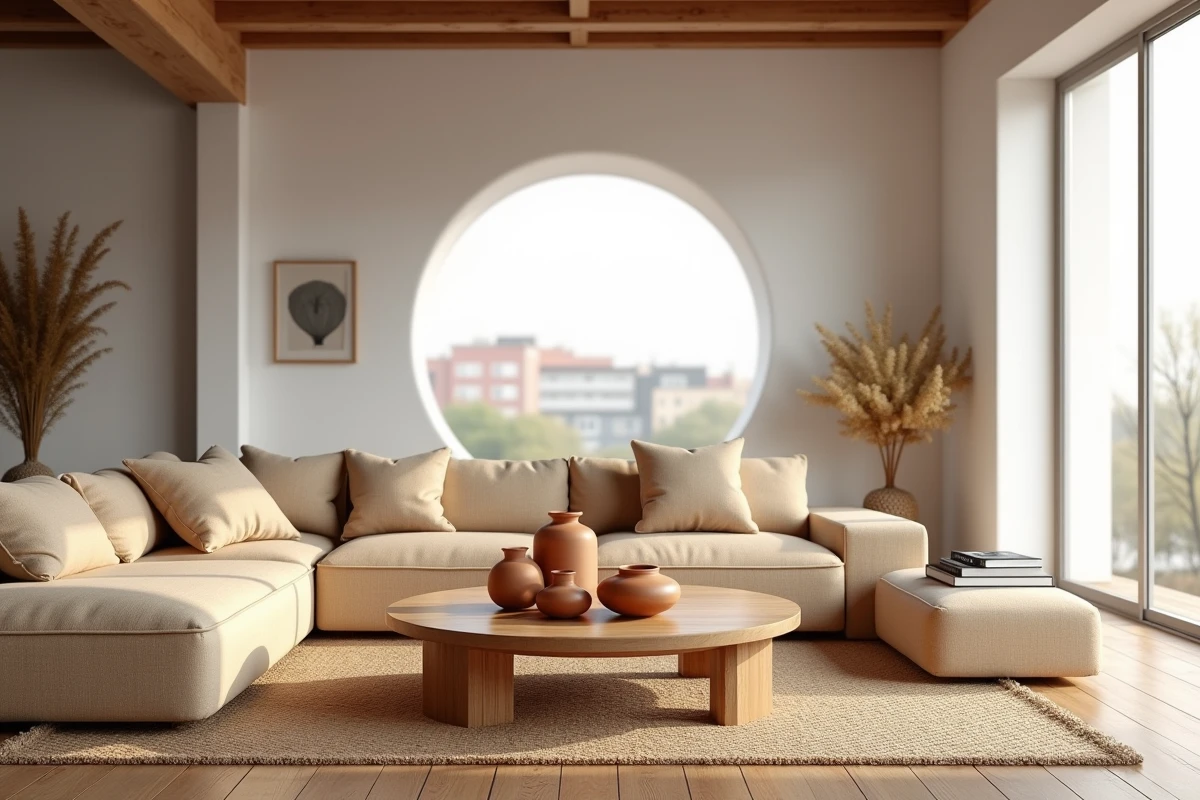
Decorating a home is not just about choosing a sofa or a wall color. Current trends in interior design prioritize overall coherence, realistic projection, and material choices that tell a story. Before flipping through catalogs or saving photos on social media, a few concrete principles can help create an interior that is unlike any other.
Test Your Decor Style with AI Before Touching a Wall
Have you ever spent hours imagining a living room painted in sage green without knowing if you would like the result? AI tools dedicated to decoration change this step. Some platforms allow you to photograph an existing room and then generate style, palette, or layout proposals in just a few seconds.
The Ideal.house platform, for example, allows you to upload a photo of any room and choose a theme. The AI then produces a realistic image of the redecorated room. This type of visual projection significantly reduces the risk of making a mistake with a shade or furniture arrangement.
The interest goes beyond simple visual play. Projecting a style into your own space prevents impulsive purchases. A beautiful rounded sofa in a showroom can overwhelm a small living room. Seeing it in your own room, even virtually, provides information that magazines do not offer. Before embarking on a design project, you can also explore the home page of Eklectik to cross-reference different decorative approaches and refine your desires.
Organic Design: Soft Shapes for a Unique Interior
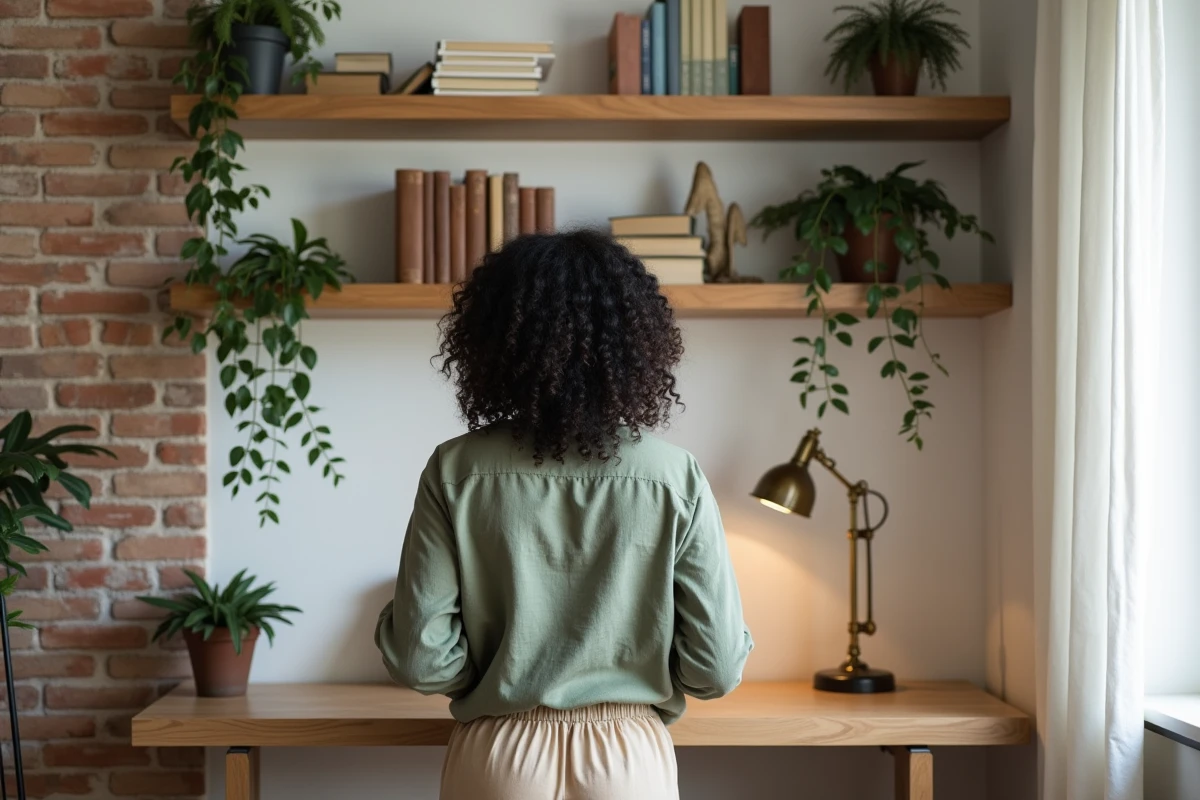
Organic design has established itself as a fundamental trend for several seasons. The principle is based on abandoning strictly geometric lines in favor of curves, softened angles, and raw materials. This is not an aesthetic whim: rounded shapes create a sense of comfort that right angles do not provide.
Concretely, this translates into chairs with enveloping backs, coffee tables with curved edges, or mirrors with irregular contours. Curves are gradually replacing straight lines in contemporary furniture, including in kitchens and bathrooms.
This approach works as long as you do not multiply directions. A room cluttered with different organic shapes loses its readability. Limiting rounded furniture to two or three focal pieces per space is enough to create an effect without overwhelming the eye.
Palette and Materials of the Organic Style
The organic style relies on a chromatic discipline. Experts recommend limiting yourself to two or three dominant materials and a short palette of earthy colors: ochres, browns, muted greens. This apparent restriction is precisely what gives coherence to an interior.
- Light wood (bleached oak, ash) adds warmth without weighing down a modestly sized room
- Natural stone or polished concrete anchors the space and contrasts with soft textiles
- Linen, raw cotton, and boucle wool add tactile textures that enhance the lively character of the room
A common pitfall is wanting everything to match. A completely beige living room becomes bland. A single element of bold color (a terracotta cushion, a midnight blue ceramic vase) is enough to break the monotony without disrupting the harmony.
Ceramic Wall Decoration: Art as an Interior Signature
Hanging a painting is a classic solution. Using wall ceramics is another, less common and more structuring option. Pieces made of stoneware, glazed terracotta, or porcelain create relief on a wall and bring a handcrafted dimension that printed reproductions cannot offer.
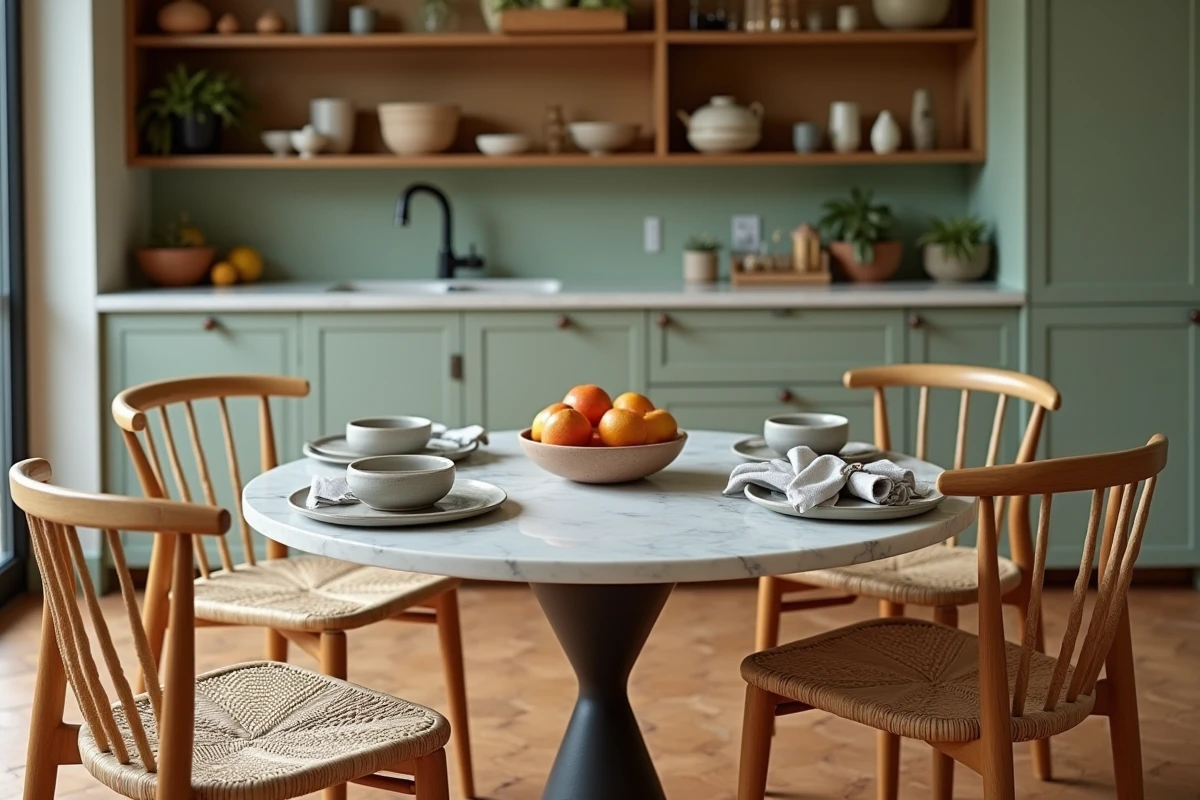
This type of decoration works particularly well in entryways and hallways, often neglected spaces. Wall ceramics transform a passage wall into a focal point. A composition of three or four pieces of different sizes, arranged asymmetrically, draws the eye without cluttering the floor space.
You can also combine ceramics with other mediums. A wall that combines a raw wood shelf, a brass sconce, and two ceramic pieces tells something more personal than a wall of identical frames.
Coherence Between Rooms: The Common Thread That Is Often Missing
Many interiors suffer from a simple problem: each room has been decorated separately. The living room is Scandinavian, the bedroom is bohemian, the kitchen is industrial. The result gives an impression of a catalog rather than a lived-in home.
The solution is not to uniform everything. It relies on a discreet common thread that runs through the rooms:
- A recurring material (the same wood for the living room shelves, the kitchen countertop, and the headboard)
- An identical accent color in each room (an olive green that appears on a cushion, a frame, a vase)
- A consistent type of lighting (all in matte black metal, or all in woven rattan)
A material or color common thread connects the rooms without making them uniform. This technique is used by interior designers, but it does not require any particular budget. It requires planning.
The most common mistake is choosing each piece of furniture in isolation, in-store or online, without placing it back in the context of the other rooms. Taking photos of each room and placing them side by side before a purchase helps identify inconsistencies. A unique interior arises from deliberate choices, not from successive accumulations.
Trends come and go. A well-chosen sofa, a wall of handcrafted ceramics, or a coherent palette of materials remains. Building a unique interior is less about following a trend than making clear decisions about the materials, shapes, and colors that structure your daily life.