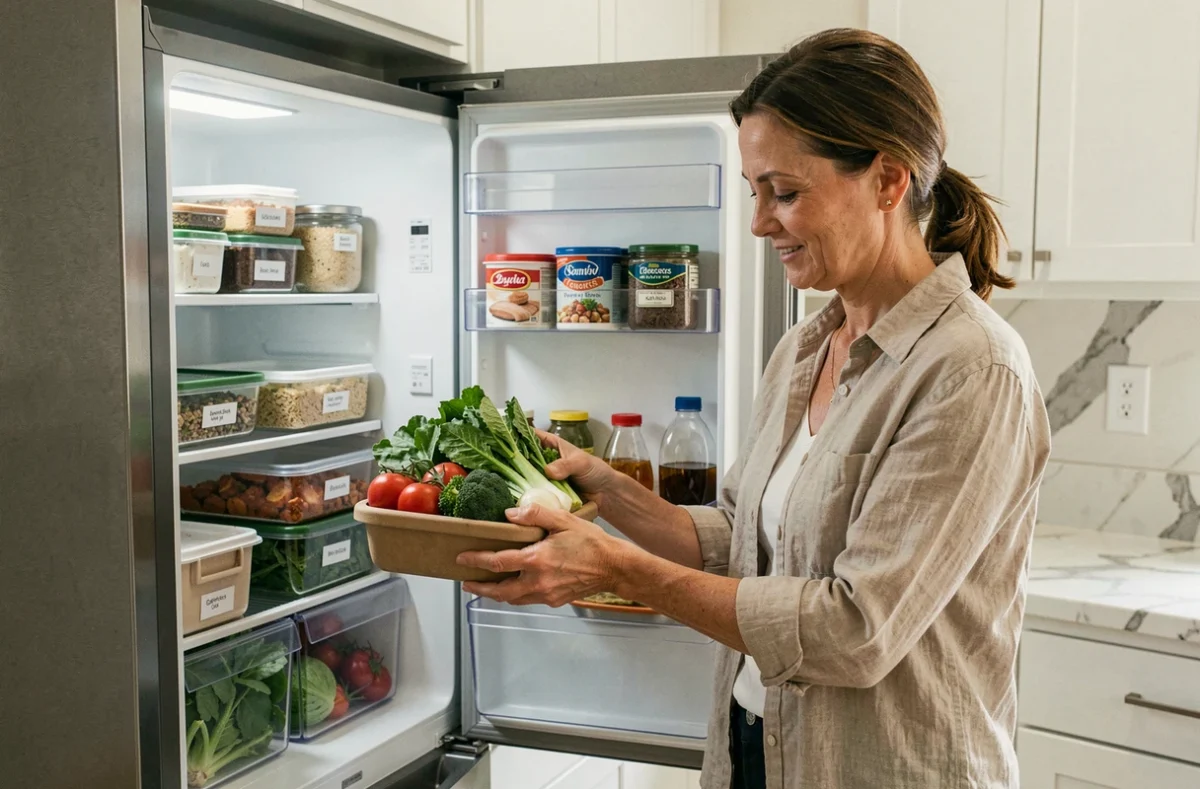
A refrigerator set to 5 °C on the thermostat display can actually reach 7 or 8 °C in certain areas, depending on how full it is and how often the door is opened. This discrepancy between the displayed temperature and the actual temperature is the starting point for most home preservation problems. Choosing the right refrigerator and organizing it properly relies on concrete actions that are often overlooked.
Actual refrigerator temperature: why the thermostat is not enough
We trust the number displayed on the dial or digital screen, but this number rarely corresponds to what happens on each shelf. The temperature can vary by several degrees between the top and bottom of the appliance, and an overcrowded refrigerator hinders the circulation of cold air.
The most reliable solution is to place a thermometer in the coldest area to ensure it stays between 0 and 4 °C, in accordance with Anses recommendations. A simple kitchen probe thermometer will do the trick. Leave it for a whole night with the door closed, then read the result in the morning.
If the measurement exceeds 4 °C, adjust the thermostat up one notch and try again the next day. This check takes just a few minutes, but it can significantly extend the shelf life of fresh products stored inside. For more in-depth technical characteristics of different models, detailed comparisons can be found on monfrigo.net that help facilitate the choice based on your kitchen configuration.
Choosing a durable refrigerator: beyond energy class
In stores, we almost always compare appliances by their energy label. Class A or B is reassuring, but it says nothing about longevity or ease of repair.
A refrigerator that cannot be repaired ends up in the landfill after a few years, regardless of its initial energy performance. Comparing separately the consumption, availability of parts, and ease of intervention gives a much more realistic picture of the total cost of the appliance.
Condenser and back grille: often forgotten maintenance
Dust accumulation on the grille or condenser at the back of the refrigerator can significantly increase electricity consumption. This cleaning, done with the appliance unplugged and without wetting the electrical components, is one of the tasks to be performed at least twice a year.
Use a vacuum cleaner with a narrow nozzle or a soft brush. It’s quick, free, and extends the lifespan of the compressor.
Refurbished refrigerator: a possibility, but with caution
Refurbished appliances are gaining ground in the home appliance market. For a refrigerator, the term “refurbished” covers very different realities from one seller to another. Some limit themselves to cosmetic cleaning, while others replace seals, check the refrigeration circuit, and test the thermostat.
Before purchasing, check precisely what the refurbishment includes: replacement of worn parts, warranty offered, and return policy. Return policies vary on this point depending on the retailers.
Refrigerator organization: the two-hour rule for leftovers
Most guides explain where to place meats, vegetables, and dairy products. A less technical but equally concrete point concerns home-cooked meals.
Leftovers must be placed in the refrigerator within two hours of preparation. Beyond that, bacterial growth accelerates at room temperature. To speed up cooling, distribute the dish into shallow portions in containers rather than leaving a large container to cool slowly.

Date management: prioritize what needs to go first
Products with an approaching expiration date (DLC) should be placed at the front, at eye level. Recent purchases go behind. This principle, used in professional catering under the name “first in, first out,” reduces waste without any particular effort.
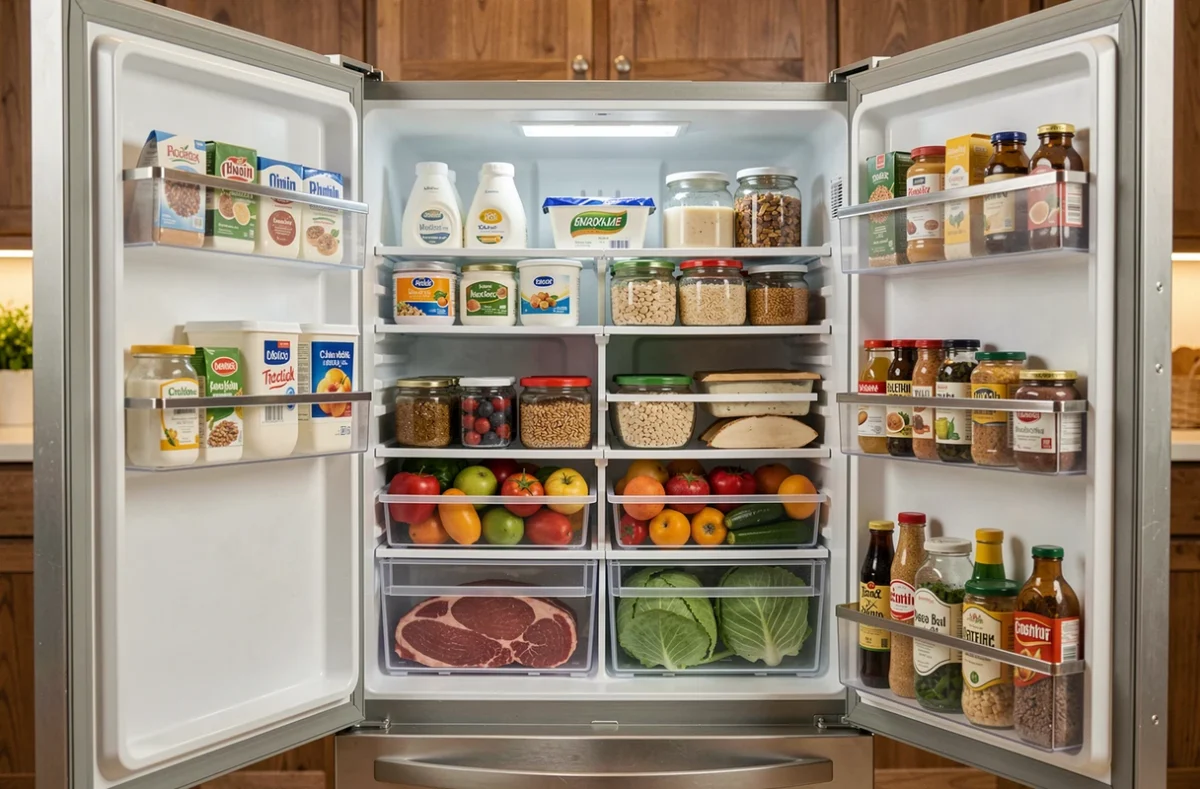
- Raw meats and fish in the coldest zone (usually at the bottom, above the vegetable drawer), wrapped separately to avoid cross-contamination.
- Dairy products and cooked dishes on the middle shelves, where the temperature remains stable around 4 °C.
- Fruits and vegetables in the designated drawer, which maintains a higher humidity level and protects them from direct cold.
- Condiments, beverages, and butter in the door, the warmest area of the refrigerator.
Reducing food waste through fridge organization
A well-organized refrigerator is not just for preservation: it allows you to see at a glance what you have before shopping. You avoid duplicates, cook what needs to be consumed quickly, and throw away less.
Removing secondary packaging (boxes around yogurts, plastic overwraps) frees up space on the shelves and improves the circulation of cold air. These packages, handled in stores, are not the most hygienic either.
Storage containers: transparent and stackable
Transparent airtight containers allow you to identify the contents without opening them, which limits unnecessary door openings. Opt for stackable formats that are compatible with each other to make the most of shelf height.
Resealable bags also work for fresh herbs, leftover cheese, or small quantities. The goal remains the same: see what you have, access it quickly, and maintain a consistent temperature by reducing the time the door is open.
A refrigerator does not need to be emptied and reorganized every week. Checking the actual temperature once per season, applying the two-hour rule for leftovers, and placing short-DLC items at the front cover the essentials. The rest is about consistency.