Multiplying your favorite plants is often an exciting quest for gardening enthusiasts. The Gaura, with its long slender stems and butterfly-like flowers dancing in the wind, is a charming species that deserves a prominent place in our gardens. But how can you ensure a successful propagation of this delicate plant? It requires mastering certain specific techniques. From clump division, cuttings, to seed harvesting, there are methods to propagate Gaura, each with its tips to optimize the chances of success and promote healthy growth of the new plants.
Propagation techniques for gaura: sowing, division, and cuttings
The Gaura lindheimeri, a perennial plant valued for its lightness and the beauty of its white and pink flowers, lends itself to various propagation methods. Sowing, the first technique, is a simple process: it involves planting seeds to grow new plants. Traditionally, sowing Gaura is done in spring, from March to June, to take advantage of growth under a mild and favorable climate.
Division, on the other hand, proves to be an effective method to regenerate the plant while multiplying it. Every 3 to 4 years, in spring, this operation involves separating a plant into several parts, each possessing a portion of roots and shoots. Division not only encourages abundant flowering but also ensures the vitality of the mother plant.
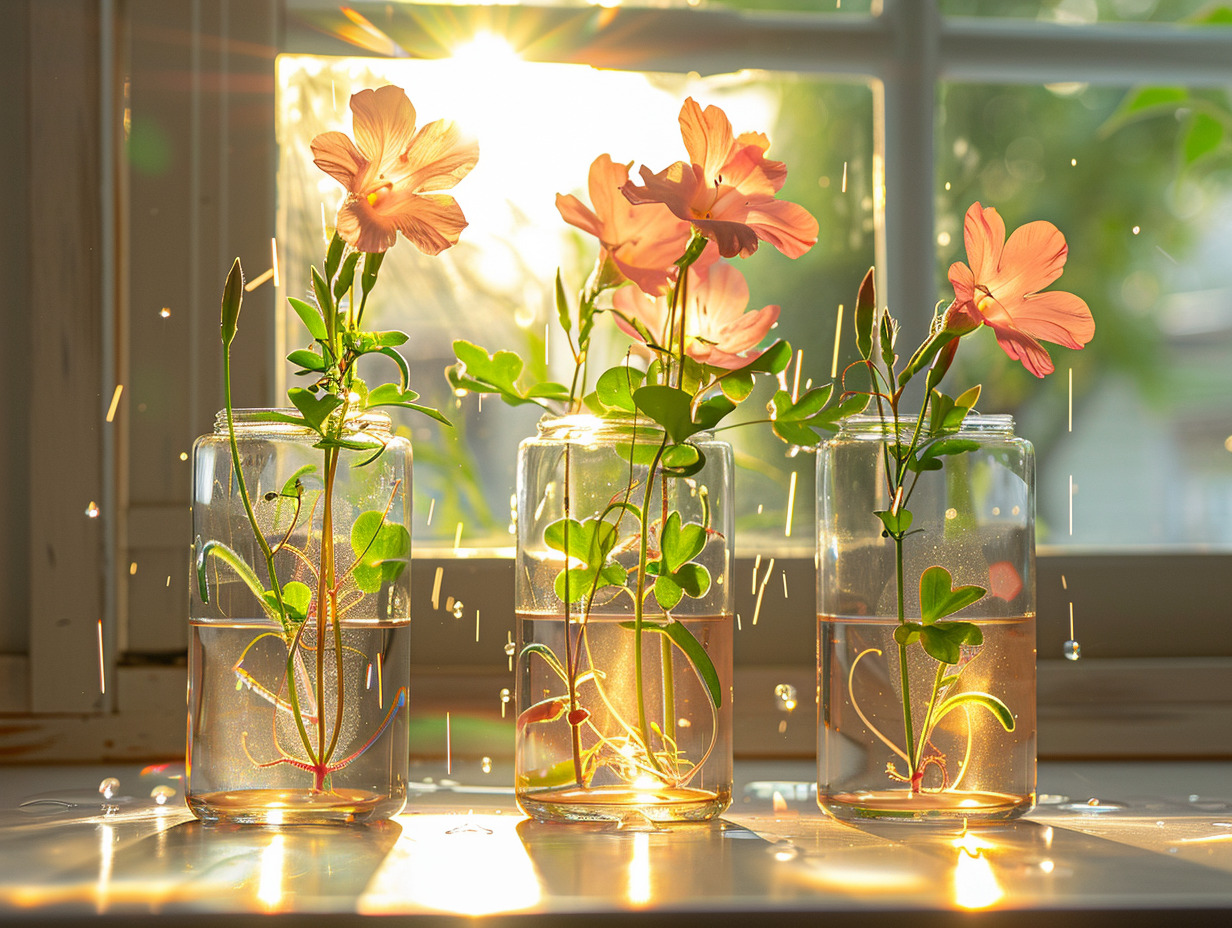
For those eager to multiply their Gaura more precisely, cutting is a path to follow. Cutting gaura typically begins in early March or late summer. This vegetative propagation technique requires carefully taking stems or leaves to establish new plants, which will inherit the characteristics of the original plant.
Each of these propagation methods aims to promote healthy growth and maintain or enhance the beauty of gardens. Gardeners should choose the method that best suits their growing conditions and expectations for the development of the gaura flower. Whether by sowing, division, or cuttings, each technique requires appropriate care to ensure proper root development and thriving seedlings. Consider the plant’s life cycle and the optimal conditions for each method to guarantee the success of your propagation endeavor.
Tips for the care and optimal growth of gauras
The gaura lindheimeri, with its flowering period extending from March to October, requires specific care for optimal growth. Water plays a fundamental role: regular watering is necessary, but in moderation to avoid root saturation. Ensure that the soil provides good drainage, as excessive moisture can promote the onset of fungal diseases. The amount of water should be adjusted according to the season, with the plant requiring more hydration during hot and dry periods.
Attentive gardeners will not overlook the addition of fertilizer to enrich the soil with essential nutrients for growth. Opt for a balanced fertilizer, to be applied according to the manufacturer’s recommendations, usually at the beginning of spring to support the upcoming flowering. Be careful not to overload the plant with fertilizer to avoid the risk of root burn and to encourage flower growth rather than foliage growth.
Monitoring for diseases and pests is crucial to keep the gauras healthy. Regularly inspect the plants for any signs of stress or infestation. Promptly address issues with suitable products, always with respect for the environment. A post-flowering pruning can also help remove affected parts and stimulate vigorous new growth. Follow these tips to enjoy an elegant and lasting floral presence in your garden.