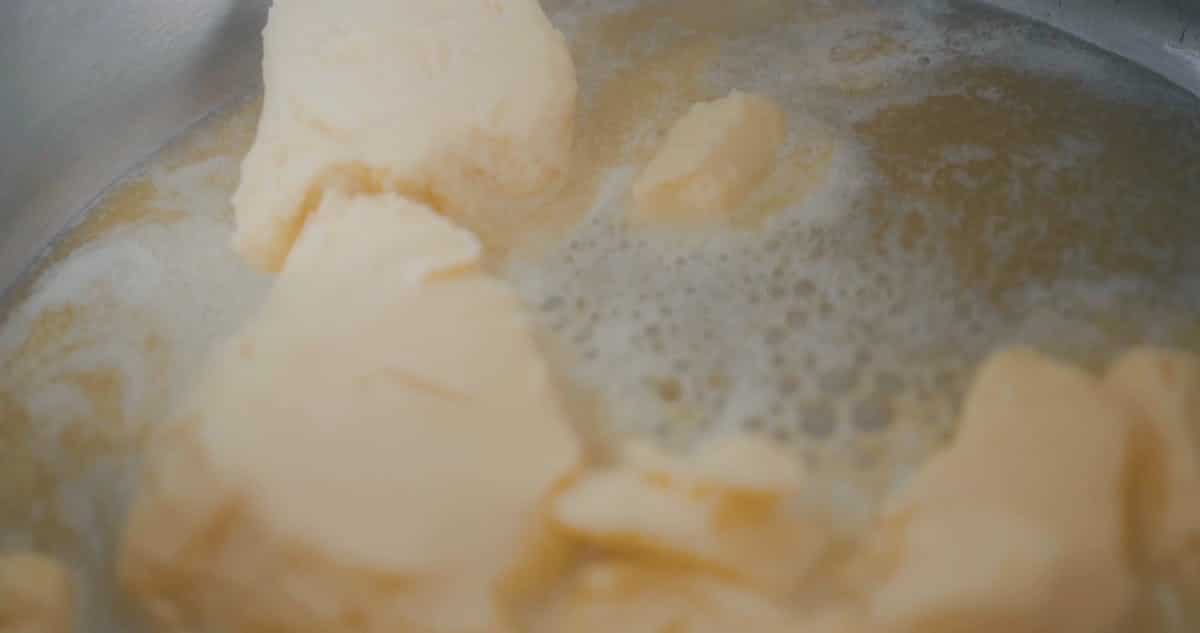
Focusing on the effects of consuming expired butter addresses a crucial aspect of food safety. Perishable items like butter often attract less attention than meat or dairy products, but they can just as easily become vectors for dangerous pathogens. One might wonder, indeed, what risks are involved in eating expired butter and what precautions can be taken to avoid these dangers. This is a question that deserves particular attention, as poor management of the shelf life of these products can have unpleasant consequences for health.
Expired Butter: Beware of the Dangers!
The consequences of consuming expired butter should not be taken lightly. One of the first repercussions on our health is the onset of digestive disorders, often mild but potentially bothersome. Symptoms may include nausea, vomiting, abdominal cramps, and diarrhea. More seriously, there is the risk of food poisoning from dangerous germs like E. coli or Salmonella that develop when a product is kept too long or under poor conditions.
Beyond immediate discomforts, one must also consider the longer-term impacts of regularly consuming expired butter. Indeed, by exceeding its optimal shelf life, butter loses its initial nutritional qualities. The gradual decrease in vitamins A and D it contains can negatively affect our immune system and bone health if we continue to ingest a spoiled product.
As much as we are discussing direct effects on human health, there is also an ethical dimension to consider. Throwing away perfectly edible butter simply because it is technically ‘expired’ contributes to the vast global problem of food waste.
There are several strategies to avoid the risks associated with the consumption of expired butter: properly store your butter (in the fridge), and strictly adhere to the dates indicated on the packaging. If there is any suspicion regarding its condition (changes in color, texture, or smell), it is best to refrain from using it and dispose of the product.
We must take the risks associated with consuming expired butter seriously. Good stock management in your kitchen can help minimize these potential dangers to your health.
Expired Butter: Health Risks to Know
The consumption of expired butter presents significant health risks. Indeed, when butter exceeds its expiration date, it can degrade and promote the proliferation of pathogenic bacteria.
One of the main dangers is food poisoning. Bacteria such as E. Coli or Salmonella can contaminate expired butter and cause severe digestive disorders such as diarrhea, nausea, and vomiting. These infections can be particularly dangerous for vulnerable individuals such as young children, the elderly, or those with weakened immune systems.
Regular consumption of expired butter can also have a negative long-term impact on our health. Indeed, when it exceeds its expiration date, butter gradually loses its essential nutritional qualities such as vitamins A and D. These vitamins play a crucial role in our immune system and bone health. Prolonged consumption of spoiled butter can weaken our resistance to diseases and increase our vulnerability to bone problems.
We must be aware of the importance of properly managing our food stocks and avoiding unnecessary waste.
To avoid these health risks related to the consumption of expired butter, it is essential to store your butter in the refrigerator to slow down its degradation. It is imperative to strictly adhere to the dates indicated on the packaging and to be attentive to any changes in color, texture, or smell of the product. If any suspicious signals are detected, it is better to refrain from using it and dispose of the affected butter.
The health risks associated with the consumption of expired butter should not be taken lightly. Beyond the immediate digestive disorders that may result from food poisoning, regular consumption can lead to nutritional deficiencies impacting our immune system and bone health. Therefore, we must be vigilant about food products in our kitchen to minimize these dangers to our health.
The Harmful Effects of Expired Butter on Health
The consumption of expired butter can also lead to harmful effects on our cardiovascular system. Indeed, butter naturally contains saturated fatty acids which, when present in excess in our diet, can contribute to elevated blood cholesterol levels. Regular consumption of expired butter thus increases the risks of developing cardiovascular diseases such as atherosclerosis or strokes.
The degradation of expired butter can produce undesirable compounds such as lipid peroxides.
Preventing the Risks of Expired Butter: Precautions to Take
To avoid the risks associated with the consumption of expired butter, certain precautions should be taken. First, it is crucial to always check the expiration date indicated on the butter packaging. This information ensures that the product is still fresh and safe to consume.
The butter should be kept in an airtight container to prevent any external contamination.
When using expired butter for cooking, be attentive to visual and olfactory signals that may indicate it is no longer good to consume. If you notice an unusual texture or an unpleasant odor coming from the butter, it is better to dispose of it rather than take unnecessary risks.
Opt for small quantity purchases so that you can use your butter quickly before it expires. This will not only help avoid taste disturbances caused by a spoiled product but also minimize the potential risks associated with consuming expired butter.
Pay particular attention to the expiration dates on food packaging, such as that of butter. Adhering to these guidelines and taking appropriate precautions during storage and use is essential to avoid the risks associated with the consumption of expired butter. By being vigilant, you can safely enjoy the flavorful benefits this product offers.
Expired Butter: Which Alternatives to Prefer
Nowadays, many alternatives to expired butter exist on the market, offering delicious and healthy options for those who wish to avoid the risks associated with consuming spoiled products. Here are some of these popular alternatives:
Extra virgin olive oil: Rich in beneficial monounsaturated fatty acids, olive oil is an excellent alternative to expired butter in many culinary recipes. It adds a subtle flavor and also offers antioxidant benefits.
Greek yogurt: This thick and creamy dairy product can effectively replace butter in certain baked goods or on toast. Greek yogurt contains less saturated fat than butter while adding a creamy taste to preparations.
Avocado: Besides being rich in healthy fats, avocado is naturally creamy and can thus be used as an alternative to butter on toast or even in pasta sauces.
Nut butter: Whether almond, hazelnut, or even peanut butter, they are all excellent choices to substitute expired butter when looking to add a rich and flavorful texture to dishes without compromising health.
Vegan margarine: Made from vegetable oils, without dairy or animal fats, vegan margarine is a popular alternative available in many varieties. It can be used for cooking or spreading.
It should be noted that each alternative has its own taste and nutritional characteristics. Therefore, it is best to choose the one that best meets individual needs and specific culinary requirements.
If you find yourself with expired butter in your refrigerator, don’t panic! You have a range of delicious options to replace this spoiled product. By wisely choosing from the alternatives mentioned above, you can enjoy healthy and tasty dishes while avoiding the risks associated with consuming expired butter.
Food Vigilance: The Key to Safe Consumption
It is crucial to emphasize the importance of increased vigilance in the consumption of food products. Consuming expired butter can lead to health risks such as food poisoning and bacterial infections. Therefore, it is imperative to take certain precautions to avoid these inconveniences.
One must consider the expiration date indicated on food packaging. This information allows us to know until when the product can be safely consumed. Ignoring this date could jeopardize our health.
Food should be stored in an appropriate environment to avoid premature deterioration. Butter should be kept in the refrigerator, at an adequate temperature, to maximize its shelf life and minimize any risks associated with its degradation.
It is also recommended to adopt a proactive approach by regularly checking the condition of food stored in our cupboards and refrigerators. If one notices any visual or olfactory alteration of the butter or any other food product, it is better to dispose of it immediately rather than risk potential contamination.
Choosing reliable producers who adhere to health standards ensures better quality of purchased products. By opting for butter from sources identified as safe and reliable, we contribute to minimizing the risks associated with consuming expired products.
It is important to remember the significance of a balanced and varied diet. By incorporating a variety of healthy foods into our daily meals, we can prevent nutritional deficiencies and reduce our excessive dependence on a single potentially expired food product.
Vigilance is the key word in the consumption of food products. Being aware of the potential risks associated with consuming expired butter allows us to take preventive measures to protect our health. By adopting proper storage habits, regularly checking the condition of food, and promoting a balanced diet, we can ensure a safe and healthy culinary experience for all.