The climate emergency and environmental concerns are galvanizing efforts for a more sustainable lifestyle. Living eco-responsibly is no longer limited to isolated actions but now infiltrates the very design of our habitats. Sustainable solutions for the modern home range from reducing the energy footprint to using environmentally friendly materials and optimizing resource management. Through the integration of innovative technologies and smart design principles, homeowners can transform their living spaces into examples of sustainability while enjoying modern comfort and long-term cost savings.
The Foundations of Eco-Responsible Housing
Find in the eco-responsible home a form of sustainable construction aimed at significant energy savings. These buildings use eco-friendly materials, such as wood, hemp, straw, or rammed earth, recognized for their low environmental impact and their ability to create a stable and healthy indoor microclimate. High-performance insulation is essential: it forms the foundation on which the energy efficiency of the habitat rests, minimizing heat loss and reducing the need for heating or air conditioning.
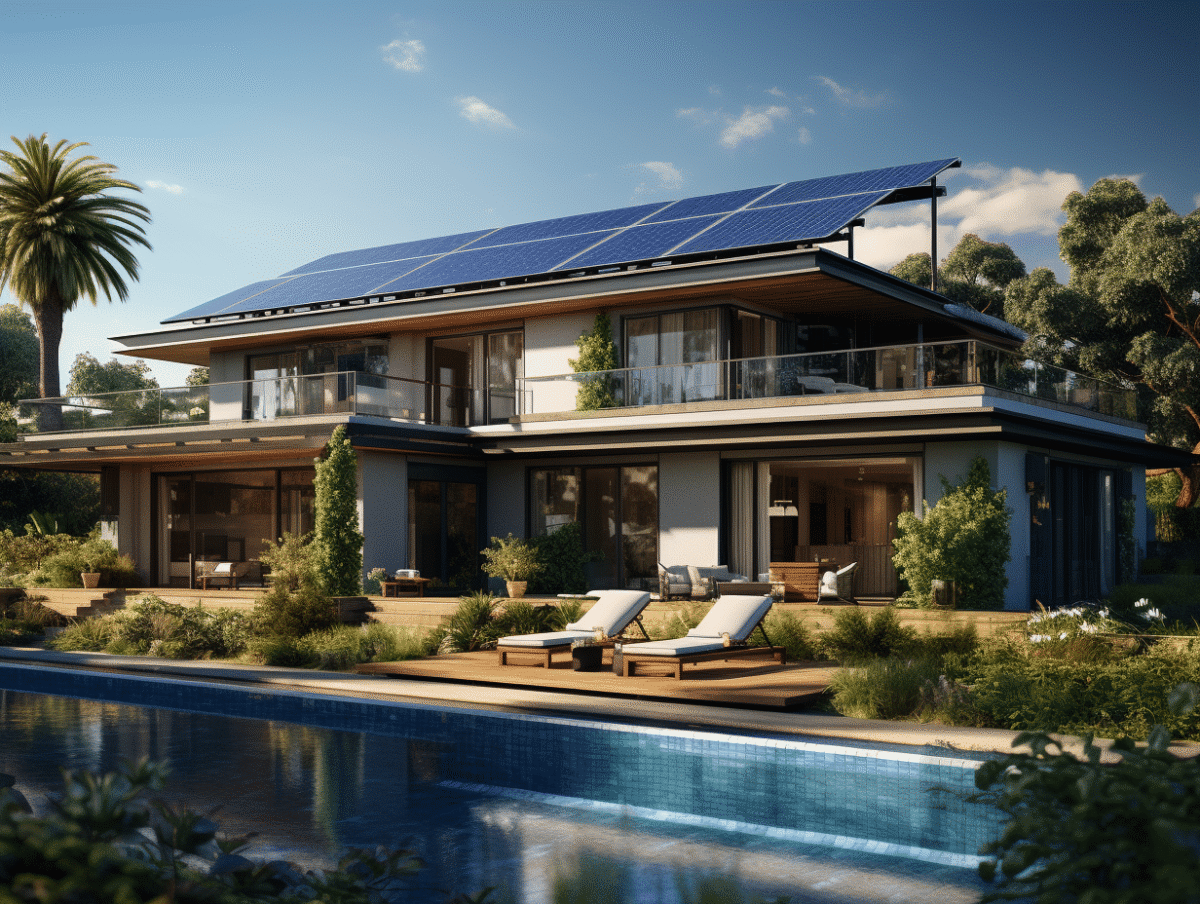
The integration of renewable energies is another cornerstone of eco-responsible housing. Solar panels, heat pumps, and rainwater harvesting systems are examples of installations that promote energy autonomy. These solutions, in addition to reducing dependence on fossil fuels, actively contribute to the reduction of GHGs (greenhouse gases), thus significantly lowering the carbon footprint of the habitat.
The BBC label (Low Consumption Building) certifies the energy performance of new constructions. Complying with the criteria of this label ensures that the home does not exceed a certain energy consumption threshold, directly aligning with an eco-responsible approach. Homeowners can thus be assured of living in a 3e habitat that meets the strictest environmental standards while saving on energy bills.
The measurement of the carbon footprint, carried out by ADEME, quantifies the environmental impact of a construction. By opting for eco-responsible housing, residents participate in a broader vision of environmental protection and sustainable development. These homes not only reduce pollution and energy needs but also represent a concrete commitment to a future where every stone and every step contributes to the fight against climate change.
Strategies and Technologies for a Sustainable Home
The positive house goes beyond simply reducing energy consumption; it produces more energy than it consumes. These homes are energy powerhouses that, thanks to solar panels and other technologies, generate a sellable surplus. This strategy, in addition to reducing bills, contributes to the local electrical grid’s supply of green energy.
The passive house, on the other hand, drastically minimizes heating needs through meticulous design and strategic orientation. Enhanced insulation and airtightness are basic criteria, allowing these homes to maintain a comfortable temperature without traditional heating systems. Thermal comfort is thus ensured with energy consumption significantly lower than that of a conventional building.
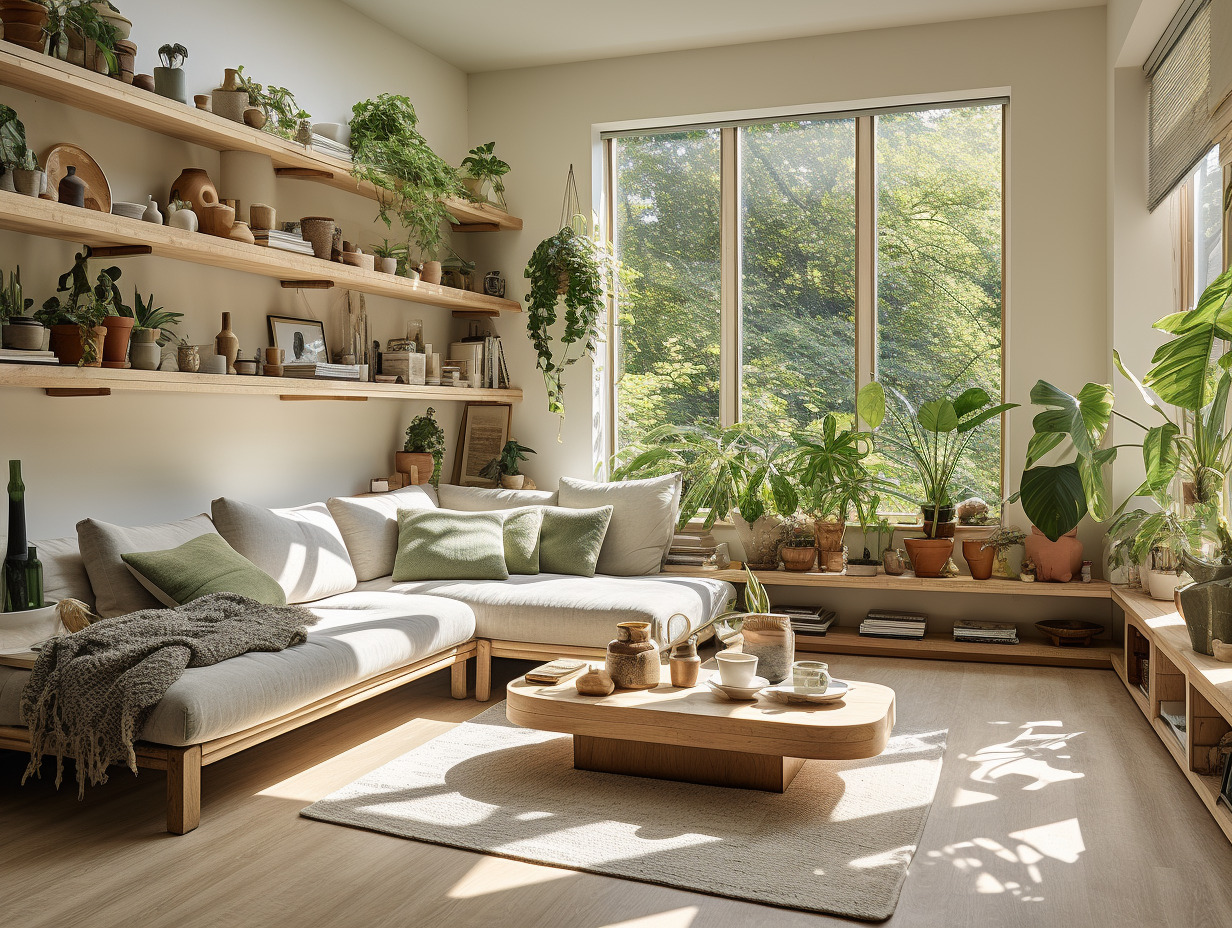
Additionally, the bioclimatic house is designed based on the natural resources available at its site. It takes advantage of sunlight, winds, and surrounding vegetation to optimize its energy efficiency. These homes are true ecosystems, where every element, from window orientation to material selection, is designed to reduce the environmental impact.
The construction cost of these homes can be a barrier, but grants and subsidies are available to encourage the transition to more environmentally friendly construction. The programs offered by ADEME and other organizations may include tax exemptions, zero-interest loans, and direct subsidies. These aids aim to offset the initial investment and make eco-construction more accessible to everyone.