
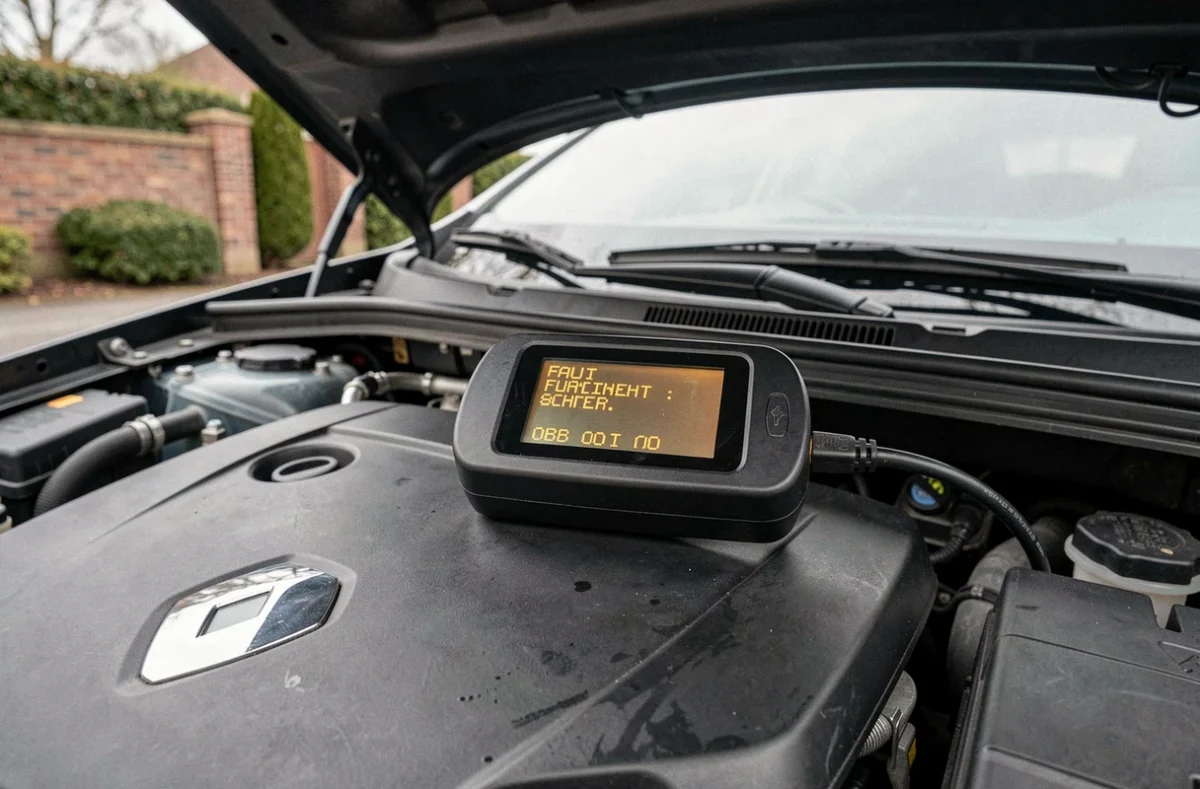
When the pollution warning light comes on in a Clio 4, a Trafic III, or another Renault diesel model, the diagnostic tool sometimes reveals a specific code: DTC253F29. Behind this reference lies a signal of engine oil dilution. The first reaction, which is understandable, is to fear a serious failure requiring an engine replacement. The technical reality is more nuanced.
Engine oil dilution and code DTC253F29: what the ECU really detects
The code DTC253F29 corresponds to a message from the engine control unit indicating that the oil is considered degraded or diluted. Specifically, the ECU does not directly measure the quality of the oil with a dedicated sensor. It estimates its condition by cross-referencing several data points: the frequency of oil changes, the number of particle filter (DPF) regenerations, and the vehicle’s usage conditions.
When the ECU determines that the oil has lost its lubricating properties, it triggers the alert. Therefore, this is not a mechanical diagnosis of the engine, but a software estimation of oil quality.
Have you noticed that the oil level in your diesel rises instead of falling? This is a typical sign of dilution: unburned fuel seeps into the crankcase and mixes with the oil. This phenomenon is directly related to the operation of the DPF, and this is where the diagnosis should begin before any costly decisions. A detailed article helps to better understand the DTC253F29 issue on Renault and the resolution options.
DPF regeneration and short trips: the most common cause
The particle filter accumulates soot produced by diesel combustion. To eliminate it, the engine automatically initiates a regeneration: post-injections of fuel increase the temperature of the exhaust gases and burn the soot trapped in the filter.
This regeneration cycle poses a problem when it is interrupted. On a short trip (city, small daily errands), the engine does not reach the necessary temperature, or the driver turns off the ignition before the cycle is complete. The result: the diesel injected for regeneration ends up in the engine crankcase.
As aborted regenerations accumulate, the oil becomes laden with fuel. Its viscosity decreases, its lubricating properties degrade, and the ECU eventually displays the code DTC253F29. The engine itself can still operate normally at this stage, including power and road behavior.
Oil change and ECU reset: the first response to code DTC253F29
Before considering a major intervention, the basic procedure is clear:
- Perform a complete engine oil change with oil that meets Renault’s specifications for the model in question, and replace the oil filter
- Carry out a forced DPF regeneration using a diagnostic tool (such as Autel, Delphi, or equivalent manufacturer), under safe conditions: vehicle immobilized, parking brake engaged, engine hot, fuel tank sufficiently filled
- Reset the oil quality counter in the engine control unit, which requires a tool compatible with the Renault protocol
Without this electronic reset, the fault may remain displayed even after an oil change. This is a point that several owners of Trafic III and Clio 4 dCi discover afterward. The diagnostic tool must be able to communicate with the ECU to reset the internal oil degradation counter.
A recurring testimony on specialized forums concerns precisely this blockage: the oil change is done, the forced regeneration proceeds correctly, but the code DTC253F29 persists. In some cases, only a software update of the engine control unit, performed at a Renault dealership, allows for the permanent clearing of the fault.
Engine replacement: in which cases is the question truly raised
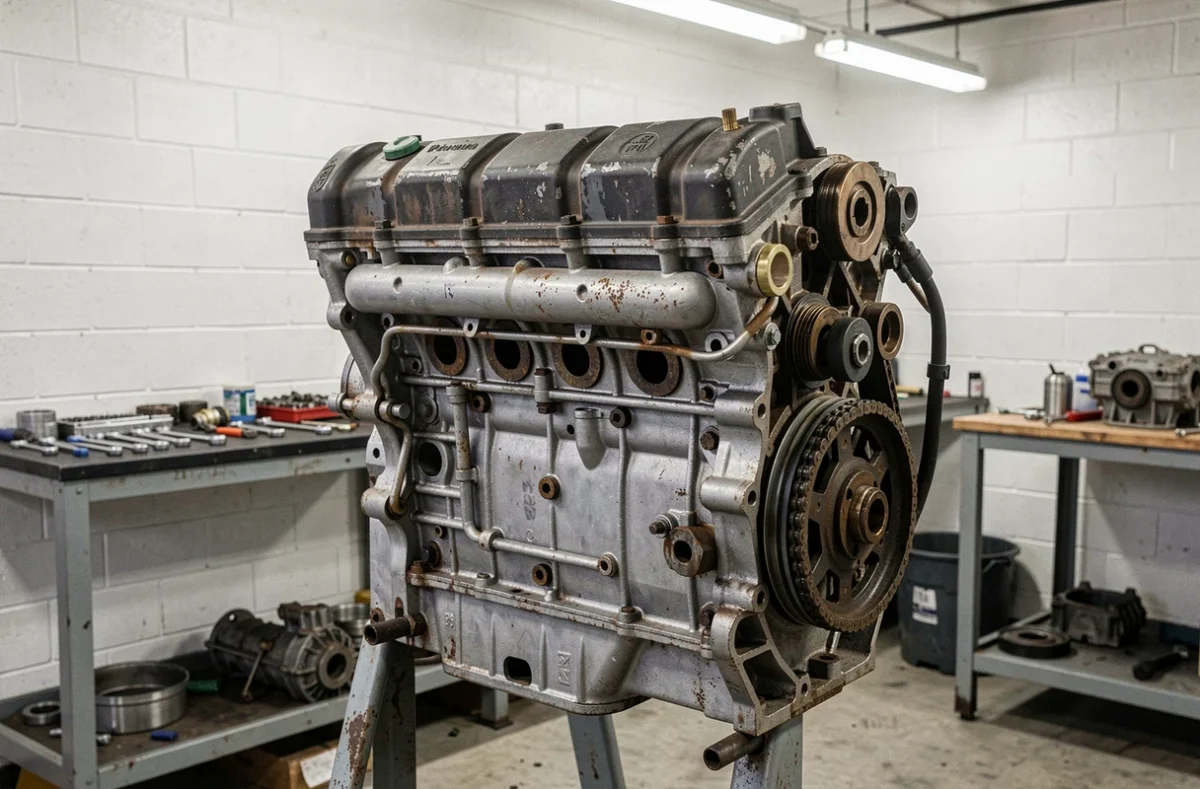
The code DTC253F29 alone does not justify an engine replacement. It is essential to distinguish the software signal from actual mechanical damage.
Prolonged oil dilution can, over time, cause tangible damage. The turbo, crankshaft bearings, and piston rings are the most exposed parts to insufficient lubrication. If the vehicle has been driven for a long time with highly diluted oil without intervention, a thorough inspection is necessary.
Signs that should raise concern beyond the simple code:
- Abnormal oil consumption (in addition to the rising level due to dilution)
- Metallic noises at idle or acceleration, indicating excessive play in the bearings
- Persistent loss of power after a successful oil change and regeneration
- Blue or white smoke from the exhaust at stabilized RPM
In the absence of these symptoms, the oil change, regeneration, and reset are sufficient in the majority of cases. A competent mechanic will check the actual data from the ECU: DPF soot load, differential pressure, exhaust temperatures, and the state of the last regeneration.
Preventing the return of fault DTC253F29 on a Renault diesel
Prevention relies on two simple levers. The first concerns driving habits: a diesel equipped with a DPF needs regular trips at stabilized speed for regenerations to occur completely. Driving for about twenty minutes on a motorway once or twice a week may be enough to keep the system in good condition.
The second lever is strict adherence to oil change intervals. Oil changed on time retains its properties despite regeneration cycles. For particularly exposed dCi models (Clio 4, Captur, Trafic III in 1.5 and 1.6 dCi), slightly shortening the oil change interval compared to the manufacturer’s recommendation can be a relevant precaution for predominantly urban usage.
The code DTC253F29 remains primarily a maintenance indicator, not a mechanical verdict. Addressing it promptly, with the right tools and procedures, prevents a simple software fault from turning into actual engine damage.